GitHub Features & Migration Path
GitHub Features and Migration Path for Organizations
Why GitHub?
GitHub has emerged as the world’s largest developer platform, supporting seamless team collaboration, robust security, DevOps integration, and access to a vast pool of developer talent. Organizations across the globe are increasingly migrating to GitHub to take advantage of its enterprise-grade capabilities and developer-first ecosystem.
Built-In Security and Compliance
GitHub is secure by design, offering native security tools that embed protection directly into the development lifecycle. Key features include:
- Code Scanning: Automatically identifies vulnerabilities and bugs in code.
- Secret Scanning: Detects secrets such as API keys or credentials before they reach production.
- Dependabot: Keeps dependencies up-to-date and flags insecure packages.
These tools ensure that security is at the forefront of DevOps, enabling enterprises to maintain compliance without compromising speed or innovation.
A Thriving Developer Ecosystem
GitHub’s massive developer base and contribution statistics underscore its central role in modern software development:
- 100M+ developers globally
- 17M+ developers in India, with a 28% YoY growth rate
- India is expected to surpass the U.S. in developer count by 2027
Repository & Workflow Metrics
GitHub continues to scale at an impressive pace:
- 372+ million repositories (20% YoY growth)
- 5.2+ billion contributions in the past year
- 4+ million GitHub Actions workflows executed daily (35% YoY growth)
Global and Enterprise Adoption
GitHub’s reach extends across industries and geographies:
- Major user bases include the U.S. (21M+), India, China, Germany, and the U.K.
- Used by 3M+ organizations, from fast-growing startups to Fortune 500 enterprises
GitHub Migration Path
With its compelling features, organizations are increasingly seeking to migrate their development ecosystems to GitHub. GitHub offers structured migration paths to help teams transition smoothly.
1. Source Control Migration to GitHub
Whether your current system is TFVC, SVN, Mercurial, Perforce, or another Git-based repo, GitHub provides guidance and tooling to streamline source code migration.
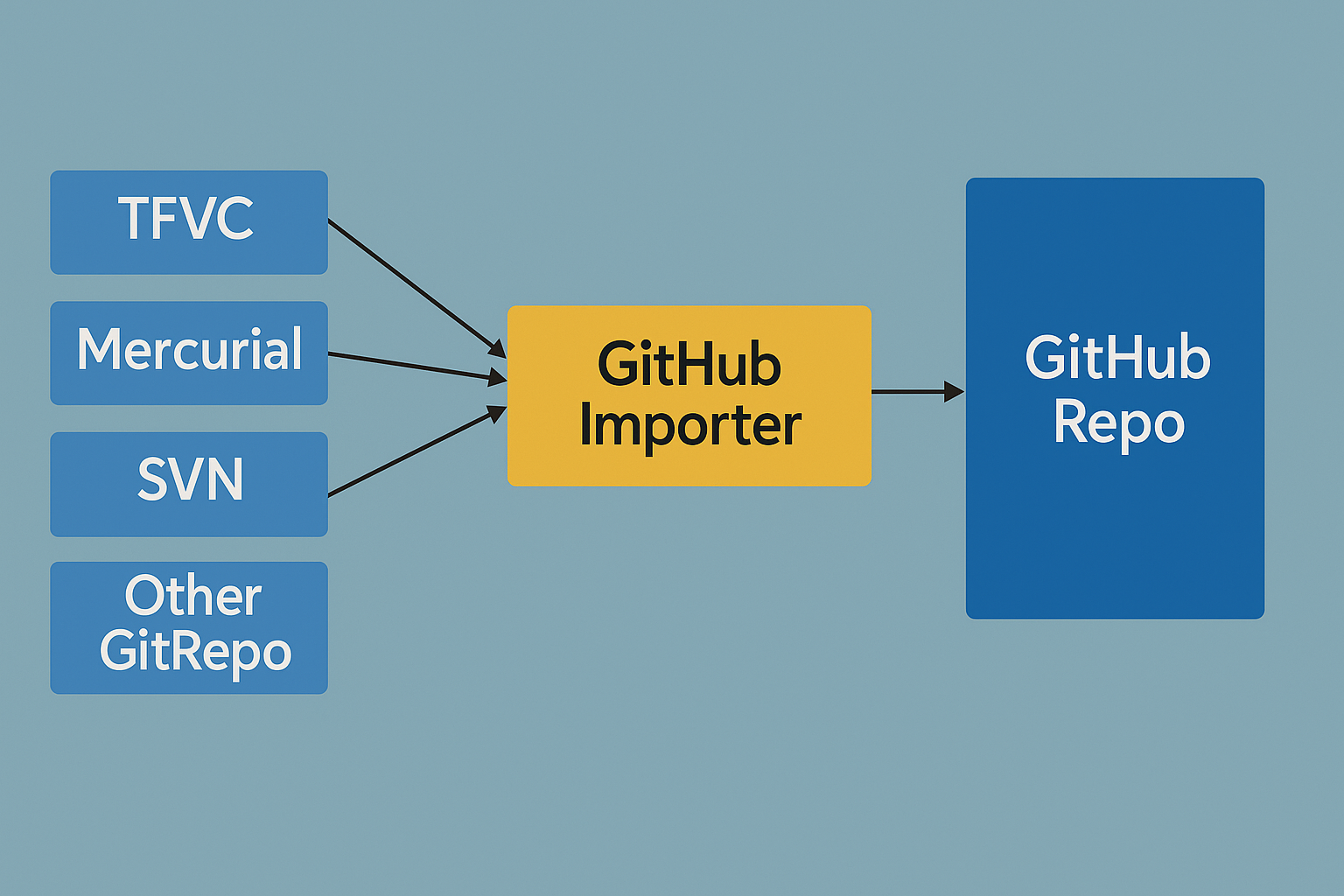
🔗 GitHub Migration Guide for source control
2. CI/CD Migration to GitHub Actions
GitHub Actions is a powerful CI/CD platform natively integrated into GitHub, offering customizable workflows, automation, and scalability. Migrating from tools like Jenkins, Azure Pipelines, GitLab CI/CD, or CircleCI to GitHub Actions can unify your dev workflow.
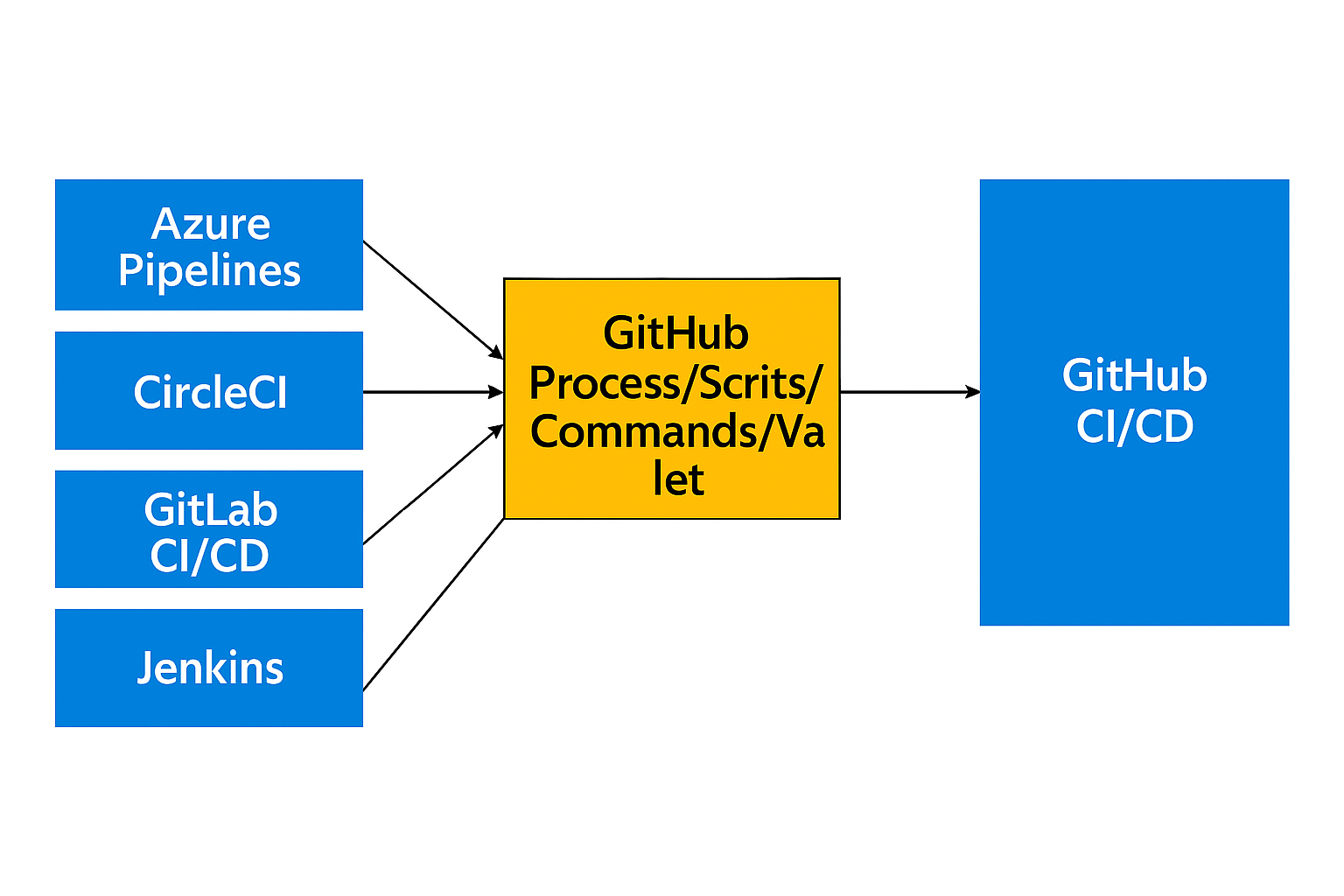
🔗 GitHub Migration Guide for pipelines
Conclusion
GitHub is not just a platform — it’s a thriving, secure, and scalable ecosystem that supports modern software delivery. Its seamless integrations, global community, and enterprise-ready features make it a top choice for organizations looking to modernize their development platform.
Now is the time to migrate to GitHub — and transform your development processes for the future.
Want to learn more or discuss GitHub & Migration? Connect with me on LinkedIn.
This blog linensed to TechAdvantX Inc